
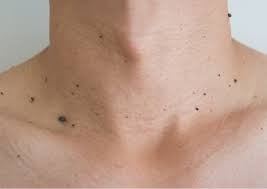
Moles are common skin growths that many people have at some point in their lives. While often harmless, moles can sometimes become a concern for cosmetic reasons or due to potential health risks. With the prevalence of mole removal procedures, several myths and misconceptions have emerged over time. It is crucial to distinguish between these myths and the facts to make informed decisions about mole treatment.
One prevalent myth is that removing a mole can cause cancer. This misconception likely stems from confusion between correlation and causation. While it is true that certain types of moles, known as atypical or dysplastic nevi, may develop into melanoma—a serious form of skin cancer—removing them does not trigger this guide transformation. In fact, removing suspicious moles early on can prevent potential progression into malignant forms.
Another common belief is that all moles need to be removed. In reality, most moles are benign and do not require any medical intervention unless they change in appearance or cause discomfort. Dermatologists typically assess whether a mole needs removal based on its size, shape, color, and texture changes over time using the ABCDE rule: Asymmetry, Border irregularity, Color variation, Diameter larger than 6mm, and Evolving characteristics.
Some people think home remedies like apple cider vinegar or garlic can effectively remove moles without medical assistance. However, such methods lack scientific backing and could lead to skin irritation or infection rather than successful removal. Professional evaluation by a dermatologist ensures safe and effective treatment options tailored specifically for each case.
Laser treatments are often assumed to be the best method for all mole removals due to their non-invasive nature; however, this isn’t always true either. While lasers work well for superficial blemishes like age spots or freckles because they target pigment within the upper layers of skin tissue precisely without damaging surrounding areas significantly—mole removals might require surgical excision if there’s suspicion regarding its depth beneath surface levels where lasers cannot reach effectively enough alone yet ensure complete eradication safely too!
Finally comes scarring concerns which deter individuals seeking professional help fearing unsightly marks post-procedure but modern techniques minimize scar formation considerably today compared past practices thanks advances made field dermatology now available widely across globe ensuring optimal outcomes aesthetically functionally alike patients undergoing such treatments worldwide nowadays enjoy peace mind knowing will receive highest quality care possible regardless location choose visit specialist near them whenever feel necessary seek advice concerning any issues related skincare including those involving pesky little spots dotting bodies here there everywhere else besides just faces hands feet etcetera!