
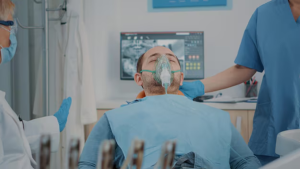
Dental anxiety and complex procedures often require sedation to ensure patient comfort and cooperation. While sedation helps create a calm and pain-free experience, patient safety remains the highest priority throughout the procedure. Dentists follow strict protocols and use advanced monitoring systems to ensure that every patient remains stable and responsive during treatment.
When visiting a Lake Mary dentist, patients are carefully evaluated before undergoing any procedure involving sedation. This evaluation includes reviewing medical history, current medications, and overall health to determine the most appropriate level of sedation. Such preparation minimizes risks and ensures a personalized approach to care.
In modern sedation dentistry, continuous monitoring is a standard practice. Dentists and trained staff use specialized equipment to track vital signs in real time, allowing them to respond immediately to any changes. This combination of preparation, technology, and expertise creates a controlled environment where patient well-being is constantly safeguarded.
Levels of Sedation and Their Monitoring Requirements
Sedation in dentistry can range from mild relaxation to deep unconsciousness, depending on the complexity of the procedure and the patient’s needs. Each level requires a specific approach to monitoring.
Mild sedation, often achieved with oral medications or nitrous oxide, allows patients to remain awake but relaxed. Moderate sedation may cause drowsiness and partial memory loss, while deep sedation renders the patient nearly unconscious but still responsive to stimulation.
The deeper the level of sedation, the more intensive the monitoring required. Dentists adjust their supervision techniques accordingly, ensuring that all physiological functions remain stable throughout the procedure.
Pre-Sedation Assessment and Preparation
Before administering sedation, dentists conduct a thorough assessment to identify any potential risks. This step is critical in determining the safest sedation method for each patient.
The evaluation typically includes:
- Reviewing medical and dental history
- Assessing allergies and current medications
- Measuring baseline vital signs such as blood pressure and heart rate
Patients are also given specific instructions, such as fasting requirements or medication adjustments, to prepare for the procedure.
This pre-sedation planning ensures that the dental team is fully informed and ready to manage any situation that may arise.
Vital Signs Monitoring During Sedation
Once sedation is administered, continuous monitoring begins immediately. Tracking vital signs is essential for maintaining patient safety and detecting any irregularities.
Key parameters monitored include:
- Heart rate, to ensure cardiovascular stability
- Blood pressure, to detect changes in circulation
- Respiratory rate, to confirm proper breathing
- Oxygen saturation levels, to ensure adequate oxygen supply
These measurements are displayed on monitoring devices, allowing the dental team to observe trends and respond quickly if necessary.
Maintaining stable vital signs is a clear indicator that the patient is tolerating sedation well.
Advanced Monitoring Equipment Used by Dentists
Modern dental practices are equipped with sophisticated tools designed to enhance patient safety during sedation. These devices provide real-time data and alerts for any deviations from normal ranges.
Common equipment includes:
- Pulse oximeters to measure oxygen levels in the blood
- Blood pressure monitors for continuous or periodic readings
- Capnography devices to track carbon dioxide levels and breathing efficiency
- Electrocardiogram (ECG) machines for monitoring heart activity in certain cases
These technologies work together to create a comprehensive picture of the patient’s condition, enabling precise and timely interventions.
The Role of the Dental Team in Patient Monitoring
Monitoring during sedation is not solely dependent on equipment. The dental team plays a vital role in ensuring patient safety through constant observation and expertise.
Trained professionals are responsible for:
- Observing physical signs such as skin color and movement
- Communicating with the patient when possible
- Adjusting sedation levels as needed
- Responding immediately to any changes in vital signs
This hands-on approach complements technological monitoring and ensures that no detail is overlooked.
The presence of a skilled team provides an additional layer of reassurance for both patients and practitioners.
Airway Management and Breathing Support
One of the most critical aspects of sedation monitoring is ensuring that the patient’s airway remains open and unobstructed. Proper breathing is essential for maintaining oxygen levels and overall stability.
Dentists are trained to:
- Position the patient correctly to support airway function
- Use suction devices to clear saliva or debris
- Provide supplemental oxygen when necessary
In more advanced cases, additional equipment may be used to assist breathing. Continuous observation ensures that any issues are addressed immediately.
Maintaining a clear airway is fundamental to safe sedation practices.
Emergency Preparedness and Response Protocols
Even with thorough preparation and monitoring, dental teams must be ready to handle emergencies. Preparedness is a key component of patient safety during sedation.
Dental offices are equipped with emergency kits and medications to address potential complications. Staff members are trained in emergency response procedures, including basic life support and resuscitation techniques.
In the event of an unexpected reaction, the team can:
- Adjust or reverse sedation
- Provide oxygen or other supportive measures
- Stabilize the patient until further medical assistance is available
This readiness ensures that any situation is managed swiftly and effectively.
Post-Sedation Monitoring and Recovery Care
Monitoring does not end when the procedure is completed. The recovery phase is equally important to ensure that the patient returns to a stable and alert state.
During recovery, the dental team continues to observe:
- Vital signs until they return to normal levels
- The patient’s level of consciousness
- Any signs of discomfort or adverse reactions
Patients are typically kept under supervision until they are fully awake and able to respond appropriately. Clear post-operative instructions are provided to support safe recovery at home.
This extended monitoring ensures a smooth transition from sedation to full awareness.
Ensuring Patient Comfort and Confidence
Beyond physical safety, monitoring during sedation also contributes to patient comfort and confidence. Knowing that every aspect of their well-being is being closely observed helps reduce anxiety and build trust.
Dentists prioritize clear communication, explaining the monitoring process and addressing any concerns before the procedure. This transparency reassures patients and enhances their overall experience.
A well-monitored sedation process allows patients to undergo dental treatments without fear, making it easier to maintain oral health.
The Importance of Continuous Monitoring in Modern Dentistry
The integration of advanced technology, skilled professionals, and strict protocols has made sedation in dentistry safer than ever. Continuous monitoring ensures that patients remain stable, comfortable, and protected throughout their treatment.
From pre-sedation assessment to post-procedure recovery, every step is designed with patient safety in mind. This comprehensive approach allows dentists to perform complex procedures efficiently while maintaining the highest standards of care.
Effective monitoring is the foundation of safe sedation, ensuring that every patient receives the care they need in a secure and controlled environment.