
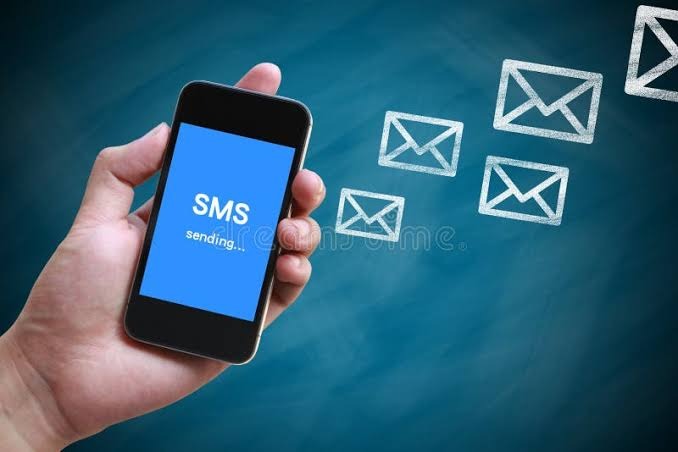
In the digital age, securing online accounts has become more crucial than ever. One effective method to enhance security during the registration process is through SMS verification. This technique offers an additional layer of protection by ensuring that only legitimate users can access and create accounts on a platform.
SMS verification works by sending a unique code to the user’s mobile phone number provided during registration. The user must then enter this code into the platform to verify their identity. This simple yet effective step helps prevent unauthorized access and fraudulent activities, as it requires possession of a physical device linked to the registered phone number.
One of the primary benefits of SMS verification is its ability to deter bots and automated scripts from creating fake accounts. Bots are often used for malicious purposes, such as spamming or Travel eSIM launching attacks on platforms. By requiring a valid phone number for account creation, businesses can significantly reduce the risk of bot-generated registrations, thereby maintaining the integrity and reliability of their user base.
Moreover, SMS verification provides an extra level of assurance for both users and service providers. Users gain confidence knowing that their personal information is safeguarded by an additional security measure beyond just passwords or email confirmations. For service providers, implementing SMS verification demonstrates a commitment to protecting user data and mitigating potential breaches.
Another advantage is its widespread accessibility; most individuals own mobile phones capable of receiving text messages. Unlike other forms of two-factor authentication (2FA) that may require specific apps or hardware tokens, SMS-based 2FA does not necessitate additional downloads or purchases from users—making it convenient for people across different demographics without imposing technical barriers.
However, while highly beneficial in enhancing registration security overall—it’s important not solely rely on this mechanism alone due vulnerabilities like SIM swapping attacks where attackers trick telecom companies into transferring victim’s phone numbers onto new SIM cards under attacker control which could compromise entire system if relied upon exclusively thus should be complemented with other measures such as regular monitoring unusual activities within system alongside educating customers about recognizing phishing attempts etcetera ensuring holistic approach towards safeguarding sensitive information stored within databases against evolving threats posed cybercriminals seeking exploit weaknesses wherever possible especially those targeting weakest links human element involved processes themselves whether intentional unintentional errors occur during handling procedures associated managing credentials securely efficiently effectively minimizing likelihood successful infiltration incidents occurring future instances alike promoting culture vigilance awareness amongst stakeholders concerned ultimately leading better outcomes long term basis sustainability perspective fostering trust between parties engaged transactions conducted digitally driven environments today tomorrow beyond foreseeable horizons technological advancements continue reshape landscape rapidly transforming ways interact communicate each passing day bringing forth challenges opportunities alike navigating complexities presented therein responsibly ethically diligently paramount importance achieving desired objectives collectively collaboratively together united front shared vision mission common goal protecting privacy confidentiality integrity authenticity identities entrusted care custody control respective entities entrusted fulfilling duties obligations professionally competently consistently unwaveringly steadfastly always putting interests first foremost above else all times every circumstance encountered along journey ahead!