
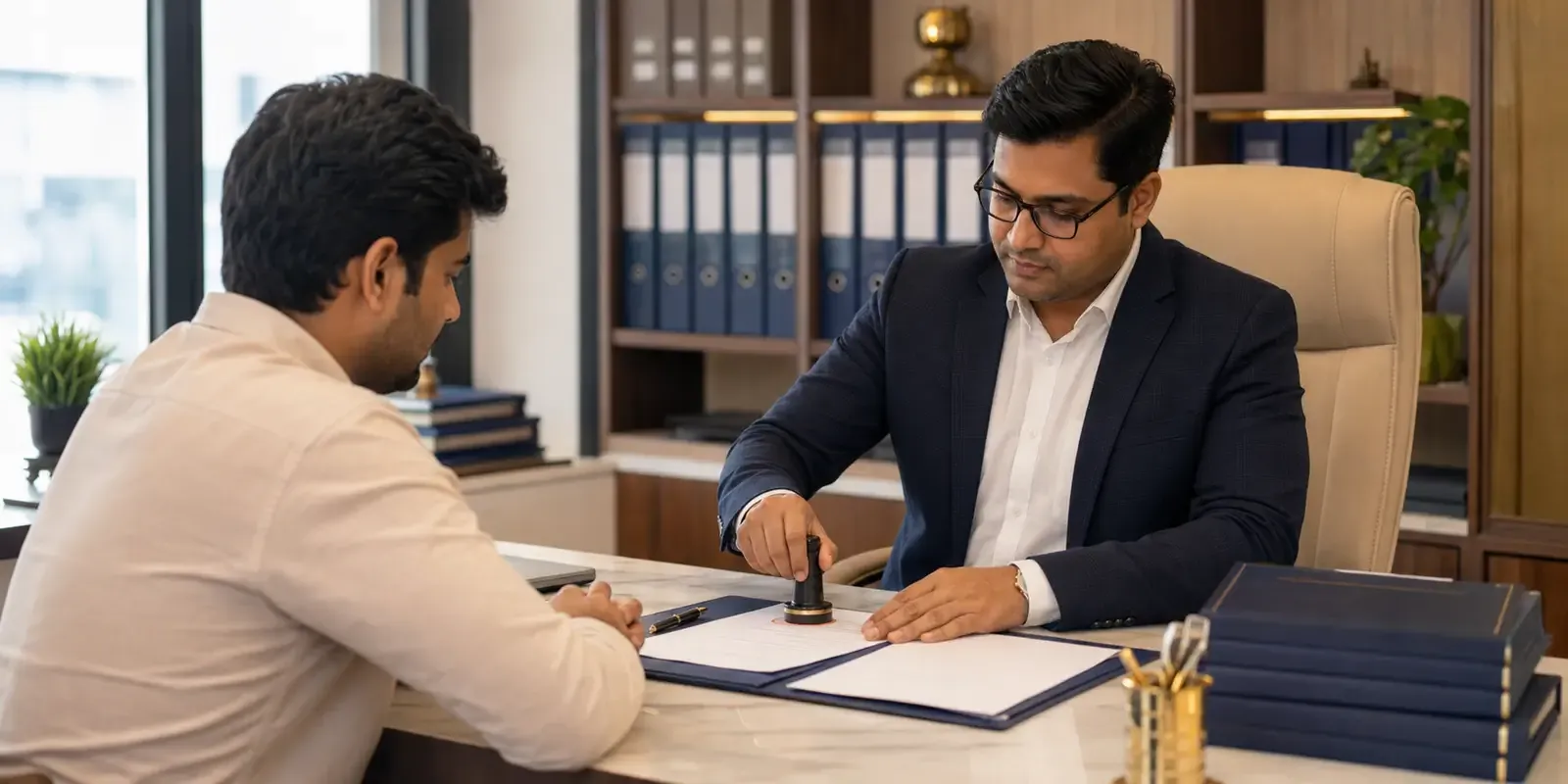
Organizing rehabilitation facility signings can often be a complex and time-sensitive process. Patients entering rehabilitation centers require a variety of documents to be signed, including consent forms, admission paperwork, insurance authorization, and legal agreements. Coordinating these signings traditionally involves scheduling meetings with notaries, healthcare providers, patients, and their families, which can be challenging given the varying schedules and mobility limitations. This is where mobile notary services become invaluable in streamlining the signing process and ensuring timely completion of critical documentation.
Mobile notary services bring the notary directly to the rehabilitation facility or even to the patient’s bedside, eliminating the need for patients or staff to travel. This convenience reduces delays caused by scheduling conflicts and transportation issues, making the signing process more efficient. Mobile notaries are trained professionals equipped to handle a variety of documents and are familiar with state-specific notary laws and regulations, which ensures that all signings are legally compliant and properly witnessed.
One of the significant advantages of using mobile notary services in rehabilitation facilities is the flexibility they offer. Rehabilitation patients might have limited mobility or be undergoing intensive treatments that make leaving the facility difficult or impossible. mobile notary near me A mobile notary can visit patients in their rooms, allowing them to complete necessary paperwork without disrupting their medical care or recovery schedule. This patient-centered approach helps reduce stress and ensures that legal formalities do not hinder the rehabilitation process.
Furthermore, mobile notaries help maintain strict confidentiality and privacy during the signing process, which is critical in healthcare settings. They adhere to HIPAA (Health Insurance Portability and Accountability Act) guidelines and other privacy laws, ensuring sensitive patient information remains protected. This professional handling of documents reassures patients and facility staff that their personal data is secure throughout the signing process.
From an administrative perspective, mobile notary services can help rehabilitation facilities improve workflow and reduce administrative burdens. Instead of allocating staff time to coordinate signings or escort patients to distant notary offices, facilities can rely on mobile notaries to manage these tasks efficiently. This allows healthcare professionals to focus more on patient care rather than paperwork logistics. Additionally, mobile notaries often provide digital documentation and secure record keeping, simplifying document management for rehabilitation centers.
In conclusion, organizing rehabilitation facility signings using mobile notary services offers multiple benefits, including convenience, flexibility, legal compliance, confidentiality, and administrative efficiency. These services remove logistical barriers and enable smooth, timely completion of essential documentation, ultimately supporting better patient experiences and streamlined operations within rehabilitation settings. Rehabilitation centers seeking to enhance their signing processes should consider partnering with reputable mobile notary providers to ensure seamless, professional handling of all necessary paperwork.