
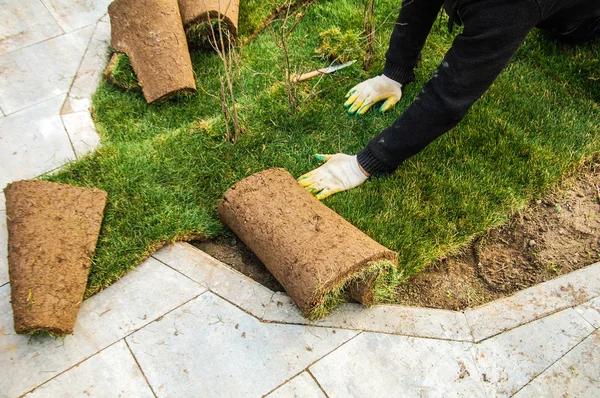
Transforming an empty yard into a beautiful garden through landscaping installation is a rewarding process that enhances both the aesthetic appeal and functionality of outdoor space. It begins with careful planning and design, which involves assessing the yard’s size, soil type, sunlight exposure, and drainage patterns. These factors influence the selection of plants, materials, and layout, ensuring the garden thrives and complements the surrounding environment. A well-thought-out design balances hardscape elements such as pathways, patios, and retaining walls with softscape features including flowers, shrubs, and trees.
The first step in landscaping installation often involves clearing the yard of debris, weeds, and any unwanted vegetation. This prepares the soil for improvement and planting. Soil quality can be enhanced by adding organic matter like compost or mulch, which promotes healthy root development and moisture retention. Proper grading and leveling of the land may be necessary to prevent water pooling and soil erosion. Installing irrigation systems at this stage can also help maintain consistent watering, which is vital for establishing new plants.
Next comes the installation of hardscape components. These features provide structure and accessibility, turning an empty yard into a usable outdoor living space. Materials such as stone, brick, or concrete are commonly used to backyard makeover contractors create walkways, seating areas, and borders. Proper installation ensures durability and complements the garden’s overall style, whether it’s modern, rustic, or traditional. Hardscapes also offer practical benefits by reducing maintenance and defining spaces for various activities.
Plant selection is a critical aspect of transforming a barren yard into a vibrant garden. Choosing a variety of plants with different heights, colors, and blooming seasons adds visual interest throughout the year. Native plants are often preferred because they adapt well to local climate conditions and require less water and care. Incorporating evergreens provides year-round greenery, while flowering plants bring seasonal color. Grouping plants based on their sunlight and water needs promotes healthy growth and reduces maintenance.
Additional features such as lighting, garden art, and water elements can further enhance the garden’s ambiance and usability. Landscape lighting extends the enjoyment of the space into the evening, highlighting focal points and improving safety. Water features like fountains or small ponds introduce soothing sounds and attract wildlife. Over time, regular maintenance including pruning, fertilizing, and pest control helps keep the garden thriving and looking its best.
Ultimately, landscaping installation transforms an empty yard into a beautiful, functional garden that adds value to the property and provides a peaceful retreat. Through thoughtful design, quality materials, and ongoing care, even the most unassuming outdoor space can become a stunning landscape that reflects personal style and nurtures a connection with nature.