
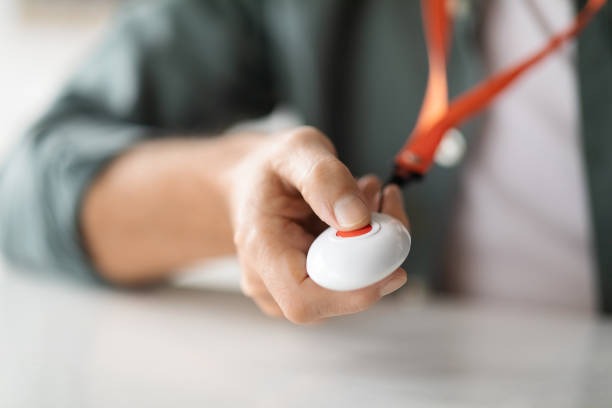
In the fast-paced environment of healthcare, efficiency and effective communication are critical to delivering high-quality patient care. One of the most significant advancements in hospital technology is the implementation of nurse call systems, which play a vital role in streamlining hospital workflows. These systems enhance communication between patients and nursing staff, reduce response times, and improve overall operational efficiency.
Nurse call systems serve as an essential interface that allows patients to alert nurses or healthcare providers promptly when assistance is needed. Traditional nurse call systems often involved simple buttons or pull cords that triggered an alarm at the nursing station. However, modern nurse call technology integrates advanced features such as real-time alerts, mobile notifications, and detailed reporting. These improvements enable nurses to prioritize tasks effectively, ensuring that urgent needs are addressed promptly while routine requests are managed efficiently.
By streamlining communication, nurse call systems significantly reduce unnecessary walking and searching for patients, which is a common issue in large hospitals. Nurses receive notifications directly on their handheld devices or smartwatches, allowing them to respond quickly and with accurate information. This optimized workflow minimizes delays, reduces patient wait times, and enhances satisfaction levels for both patients and staff.
Another critical benefit of nurse call systems is their ability to integrate with other hospital technologies such as electronic health records (EHRs), staff scheduling systems, and alarm management platforms. This interconnected environment fosters a cohesive workflow where information flows seamlessly, enabling better decision-making and resource allocation. For instance, if a patient triggers a nurse call, the system can immediately check the patient’s medical history and alert the most appropriate nurse based on their current workload and expertise.
Moreover, nurse call systems contribute to hospital safety and compliance. They provide detailed logs of calls and response times, which are invaluable for quality assurance and regulatory audits. These records help identify patterns, monitor staff performance, and ensure adherence to established protocols. Hospitals can use this data to implement targeted training programs and improve overall patient care standards.
In summary, nurse call systems are indispensable in modern healthcare settings. By enhancing communication, improving response times, and integrating with broader hospital systems, they streamline workflows and contribute to a safer, more efficient care environment. As hospitals continue to adopt innovative technologies, nurse call solutions will remain a cornerstone of effective patient-centered care, supporting nurses in their critical roles and ultimately improving patient outcomes.