Uneven temperatures within a home or office can create discomfort and inefficiency, often leading to increased energy costs and reduced comfort levels. One of the most effective ways to address this issue is through timely air conditioning (AC) repair services. Regular maintenance and prompt repairs play a crucial role in ensuring that an AC system operates optimally, providing consistent cooling throughout the space.
Air conditioning systems are complex machines composed of various components that must work harmoniously to maintain desired indoor temperatures. Over time, parts such as filters, coils, and fins can become dirty or worn out, reducing the system’s efficiency. When these components are not functioning correctly, it can result in uneven temperature distribution across different areas of a building. see this page inconsistency often leads individuals to adjust thermostats frequently in an attempt to achieve uniform comfort levels, which inadvertently increases energy consumption.
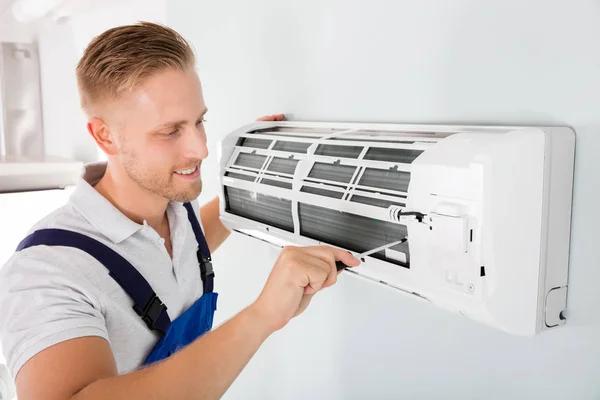
Timely AC repair services help mitigate these issues by addressing potential problems before they escalate into more significant concerns. For instance, clogged air filters restrict airflow through the system, causing certain areas to receive less cooled air than others. By having these filters cleaned or replaced during routine maintenance checks, homeowners and businesses can prevent uneven cooling patterns from developing.
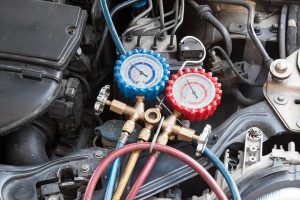
Additionally, refrigerant levels play a critical role in an AC unit’s ability to cool spaces evenly. Low refrigerant levels not only decrease cooling efficiency but also place additional strain on the compressor—a vital component of any AC system—leading to potential breakdowns if left unchecked. Regular inspections by qualified technicians ensure that refrigerant levels remain optimal while identifying leaks early on for swift rectification.
Moreover, professional AC repair services include thorough examinations of ductwork integrity—a commonly overlooked aspect contributing significantly towards uneven temperature distribution within buildings. Leaky ducts allow conditioned air to escape into unconditioned spaces like attics or crawlspaces instead of reaching intended rooms effectively; thus resulting in hot spots amid otherwise cool environments indoors.